
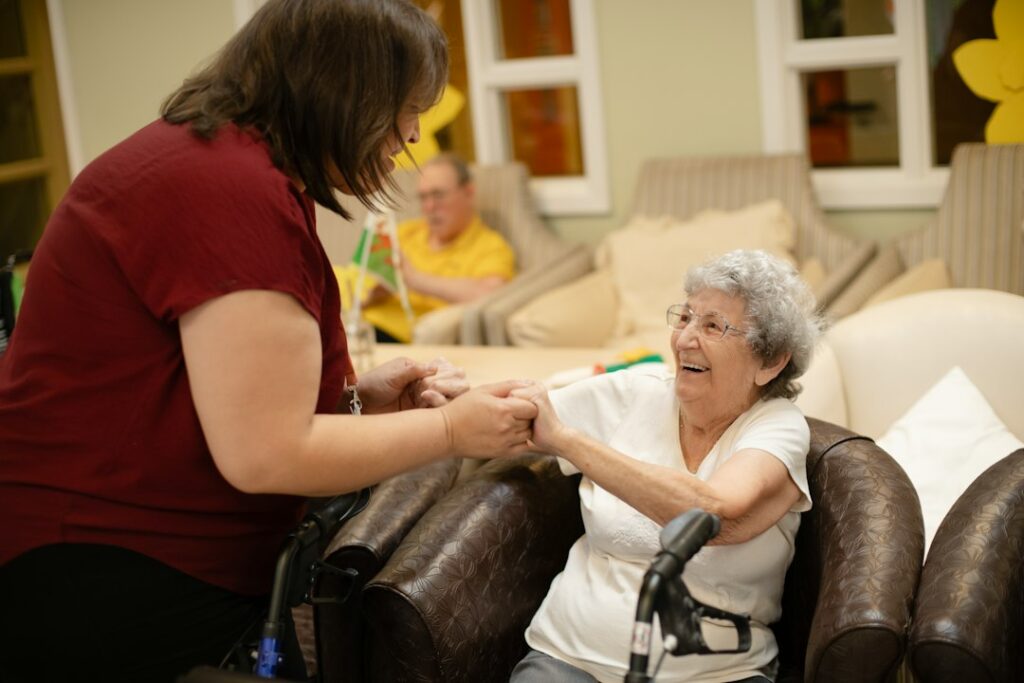
Assisted living residences are expected to have written procedures for medical emergencies, fires, severe weather, utility failures, evacuations, and other events that could affect resident safety. In Lewistown, PA, those procedures must account for the needs of older adults who may use walkers, wheelchairs, oxygen, mobility aids, memory support, or scheduled medications.
Emergency planning is not limited to having a fire alarm or calling 911. A reliable plan explains who responds, how residents are moved or sheltered, how families are notified, and how daily care continues if normal services are interrupted.
What happens during a medical emergency?
For a serious medical problem, staff generally assess the situation, provide immediate assistance within their training, and call emergency medical services when needed. A resident may be transported for symptoms such as chest pain, severe breathing trouble, a serious fall, stroke warning signs, uncontrolled bleeding, or a sudden change in consciousness.
Pennsylvania assisted living residences are required to maintain a written emergency medical plan. That plan addresses:
- The hospital or other source of emergency health care to be used
- Emergency transportation
- Staffing responsibilities during a medical crisis
- The medical and health information that must accompany the resident
The information may include diagnoses, allergies, medications, physician instructions, emergency contacts, advance directives, and other details needed for safe treatment. Families should ask how this information is kept current and how staff share it while protecting the resident’s privacy.
Not every emergency results in a hospital visit. A minor injury, low blood sugar episode, or change in condition may be handled through observation, first aid, communication with the resident’s health care providers, and notification of the designated family contact. The response should depend on the resident’s condition and the instructions in the individual service plan.
How are fires and evacuations handled?
Fire procedures usually begin with an alarm, rapid notification of emergency responders, and movement away from smoke or danger. Staff are expected to understand each resident’s evacuation needs rather than relying on residents to leave independently.
A resident who walks without help may be directed to an exit. Someone who uses a wheelchair, has limited balance, or becomes confused under stress may need hands-on assistance, a wheelchair evacuation, or relocation to a protected area while the building is assessed.
Pennsylvania rules require safe, usable exit routes and posted evacuation information. Residences serving residents with mobility needs must also plan for fire-safe areas appropriate to the building and the residents’ needs.
Families may reasonably ask:
- How are residents accounted for during an evacuation?
- Who assists residents on upper floors?
- How are oxygen equipment, medication, and mobility devices handled?
- Where would residents go if they cannot return immediately?
- How are families informed about the resident’s location?
A residence should be able to explain these procedures without relying on vague assurances.
What happens during a power outage?
A power failure can affect heating, cooling, elevators, lighting, refrigeration, communication systems, medication storage, and medical equipment. Assisted living residences must have alternate methods for meeting resident needs during a utility outage.
The response may include backup lighting, access to battery-powered communication, temperature monitoring, emergency food and water, manual wellness checks, and arrangements for equipment that depends on electricity. The plan should also address residents who need oxygen, powered mobility devices, refrigerated medications, or electrically adjustable beds.
Winter outages deserve special attention in the local area. Snow, freezing rain, blocked roads, and prolonged cold can make transportation and staffing more difficult. A residence should plan for the possibility that employees may be delayed and that outside deliveries or routine appointments may be interrupted.
Pennsylvania assisted living regulations require at least a three-day supply of nonperishable food and drinking water for residents. That supply is only one part of preparedness; a residence also needs a practical plan for staffing, heat, sanitation, medications, and communication.
How are severe storms, flooding, and extreme temperatures managed?
Emergency procedures may vary depending on the hazard. During a tornado warning, residents may be moved away from windows into safer interior areas. During flooding or another threat affecting the building, the residence may shelter in place, move residents to another part of the building, or evacuate to a different location.
The terrain and seasonal conditions around Lewistown can create different challenges throughout the year. Heavy rain may affect travel and access routes, while winter weather can bring icy walkways, power interruptions, and dangerous outdoor temperatures. Heat emergencies may require increased hydration, indoor cooling, closer monitoring, and adjustments for residents who are especially sensitive to temperature changes.
The administrator is expected to be familiar with the emergency preparedness plan used by the municipality or, when appropriate, the county. The residence’s written procedures should also be reviewed and updated regularly and submitted to the local emergency management agency each year.
How are residents with dementia or mobility limitations protected?
Emergency plans should be individualized. A resident with dementia may not understand an alarm or may try to return to a familiar room. Another resident may become distressed by noise, crowds, or unfamiliar surroundings. Staff should know how to provide calm direction, maintain identification, and prevent wandering during an evacuation.
Mobility needs also require advance planning. The service plan should identify whether the resident needs a walker, wheelchair, two-person assistance, a transfer device, or another method of movement. Staff responsibilities should be specific rather than simply stating that “assistance will be provided.”
Families should make sure the residence knows about:
- Hearing or vision limitations
- Communication preferences
- Panic responses or behavioral triggers
- Mobility equipment
- Oxygen use or other medical equipment
- Medication timing
- Emergency contacts and decision-makers

These details can affect how quickly and safely staff respond.
How are families notified?
The emergency plan should contain current contact information for each resident’s designated person. Families may be contacted when a resident is transported, injured, relocated, or affected by a building-wide emergency.
Notification procedures can differ based on the seriousness of the event. A hospital transfer may prompt an immediate call, while a brief power outage may result in a general update after resident safety has been confirmed. Families should ask who makes notifications, which number is used after hours, and how updates are provided if phone service is disrupted.
Residents and families should also keep their own information current. Changes in phone numbers, legal representatives, emergency contacts, medication lists, or advance directives should be reported promptly.
What should families ask before an emergency occurs?
The most useful questions are specific:
- Is there a written emergency medical plan?
- How often are evacuation and emergency procedures practiced?
- What happens if elevators, heat, water, or phone service fails?
- How are residents tracked during relocation?
- Where are residents taken if the building must be evacuated?
- How are medications, records, and mobility equipment transported?
- What is the family notification process?
- How does the plan address staffing shortages during severe weather?
A residence may not be able to predict every event, but it should be able to explain its process clearly. Good emergency preparedness connects building safety, resident-specific care instructions, trained staff, transportation, supplies, and communication into one coordinated response.
