

What Safety Features Are Common in Assisted Living Communities?
Assisted living communities prioritize physical and emotional safety for residents who may need support with daily activities while maintaining independence. The safety measures typically found in these communities are designed to reduce fall risks, ensure security, and provide immediate help during emergencies.
These features include:
- Secure entry systems to manage visitors and track who enters the building
- Handrails and grab bars in hallways and bathrooms to prevent falls
- Wide, well-lit hallways and accessible layouts for walkers and wheelchairs
- Emergency call systems in bedrooms and bathrooms so residents can get help quickly
- Fire safety measures, including smoke detectors, alarms, and sprinkler systems—which are essential for multi-unit buildings
While most features are similar across the country, implementation often reflects local regulations and building codes. In Lewistown, fire safety and accessibility rules are closely followed due to the area’s seasonal weather patterns, which can bring icy walkways and variable outdoor conditions.
How Do Emergency Response Systems Work in Assisted Living?
Most assisted living communities equip apartments and common areas with emergency call buttons or pull cords. These systems allow residents to alert staff instantly in the event of a fall, sudden illness, or other emergencies.
The process usually works as follows:
- Residents press a button or pull a cord to signal a need for assistance
- The system notifies staff immediately, often through a centralized panel or mobile devices carried by caregivers
- Trained staff respond, assess the situation, and administer help or call emergency services if needed
Some communities may also use wearable devices, such as pendants, which residents can use anywhere on the property. This can be especially useful in larger buildings or for those who are prone to falling outdoors during winter, when icy conditions are common in the region.
Are Assisted Living Buildings Designed to Prevent Falls?
Yes, fall prevention is a major consideration when designing and maintaining assisted living communities. Flooring materials are chosen for their non-slip properties, especially in bathrooms, kitchens, and entryways frequently exposed to water or snow in colder climates.
Key features supporting fall prevention include:
- No-step or low-threshold showers
- Extra lighting in common areas and bedrooms
- Ramps at building entrances and exits, sometimes with heated surfaces to minimize ice buildup in winter
- Clear pathways in both private and common areas, free from clutter and tripping hazards
Regular inspections are common, especially before and during the winter months, to address potential hazards such as loose carpets or malfunctioning lighting.
What Security Measures Protect Residents from Unauthorized Access?
Security is a concern for both residents and families. Assisted living communities generally employ several layers of protection:
- Controlled access at main entrances, often requiring codes, key cards, or buzz-in systems
- Surveillance cameras focused on common areas and entry points
- Staff presence at front desks or reception areas
- Visitor check-in procedures to document who is on-site
These features help residents feel secure while also providing peace of mind for families who may live elsewhere.
How Are Fire and Evacuation Procedures Managed?
Due to the number of residents and the potential need for assistance during emergencies, fire safety is strictly regulated in assisted living. Buildings meet local fire codes and undergo regular safety inspections.
Common fire safety features include:
- Clearly marked exits and accessible evacuation routes
- Smoke and carbon monoxide detectors inspected routinely
- Alarm systems with both sound and flashing lights for those with hearing impairments
- Sprinkler systems in all living and common areas
Staff receive evacuation training and conduct regular fire drills, so both residents and employees know what to do in various emergency scenarios. In areas where power outages are possible, backup generators may supply critical lighting and safety systems.
How Do Environmental Hazards Get Addressed, Especially During Lewistown’s Winters?
Local communities adapt safety protocols to deal with the risks posed by Lewistown’s weather. Winters can bring icy sidewalks, snow accumulation, and occasional power interruptions.
Strategies for managing these risks include:
- Heated entry ramps and walkways to keep surfaces clear of ice
- Non-slip matting at entrances to absorb water and snow from shoes
- Regular snow and ice removal, with priority on main walkways used by residents
- Communication plans for power outages, ensuring residents remain safe and warm during storms
Staff monitor indoor temperatures and check on residents more frequently during extreme cold.
What Role Do Staff Training and Supervision Play in Safety?
Safety features are most effective when staff are attentive and well-trained. Assisted living employees receive ongoing education on fall prevention, emergency response, infection control, and resident privacy.
Ongoing training ensures:
- Prompt and appropriate response to all types of emergencies
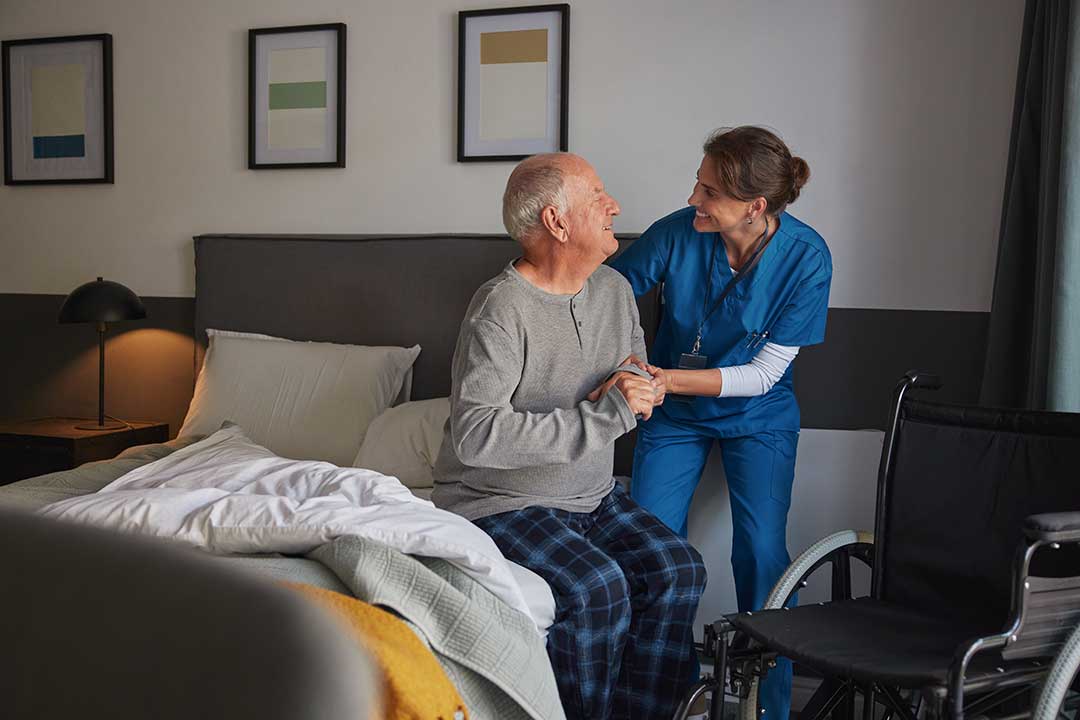
- Safe transfer and mobility assistance for residents needing hands-on help
- Early intervention when a resident’s medical or cognitive condition changes
Regular supervision, clear protocols, and communication with families contribute to a safer environment for everyone.
What Should Residents and Families Ask About When Evaluating Safety?
Residents and their loved ones understandably want to know exactly how safety is managed. While building design and emergency systems are key, hands-on care and staff responsiveness matter just as much.
Questions to consider:
- How quickly do staff typically respond to emergency calls?
- Are there recent inspection reports or safety audit results available?
- What are the protocols for severe weather or power loss?
- How are residents’ unique needs assessed and accommodated within the community’s safety measures?
Understanding the specific features and procedures in place brings confidence and helps families select the right environment for peace of mind in Lewistown.
