
Choosing an assisted living residence is rarely based on one impressive feature. Quality care is easier to recognize through everyday details: how staff speak with residents, whether care plans are followed, how concerns are handled, and whether the setting feels safe, respectful, and responsive.
For families in Lewistown, PA, visiting a residence in person can reveal more than a brochure or website. A careful visit should help answer a practical question: Do residents appear to receive consistent support while still being treated as adults with preferences, routines, and choices?
What does quality care look like during an ordinary day?
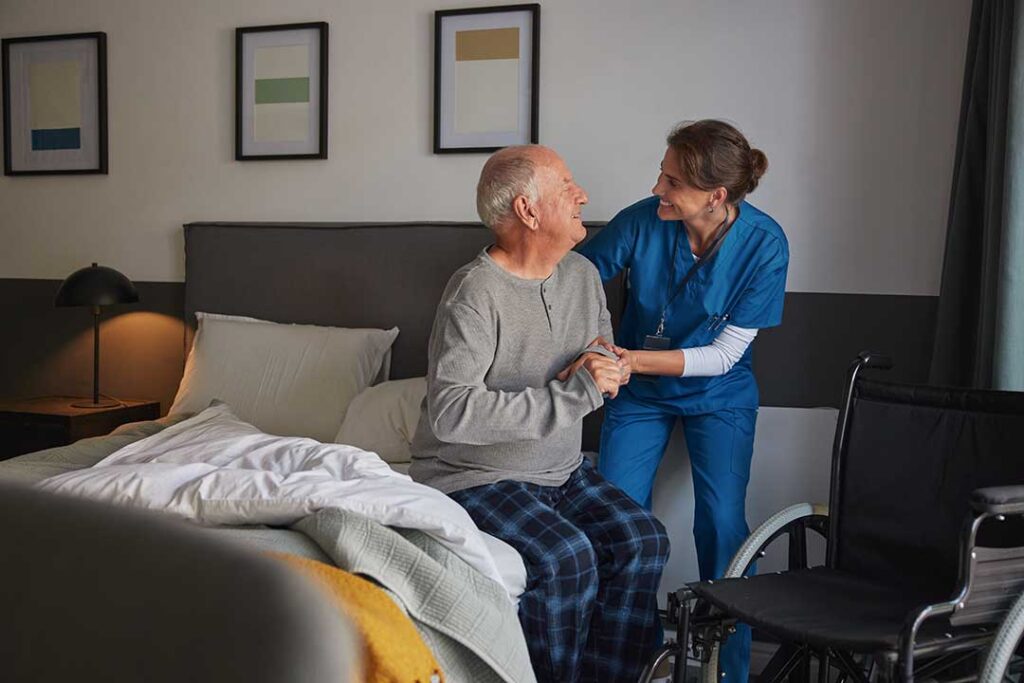
Quality care is visible in routine interactions, not only during formal tours. Staff should know residents by name, respond without unnecessary delay, and explain what they are doing before providing personal assistance.
Look for signs such as:
- Residents being addressed respectfully rather than talked about as if they are not present.
- Staff knocking before entering private rooms.
- Call systems, phones, walkers, and other needed items kept within reach.
- Residents dressed appropriately and assisted with grooming according to their preferences.
- Meals served at a reasonable pace, with help available for residents who need it.
- Staff noticing changes in mood, appetite, mobility, or behavior.
A quiet residence is not automatically a well-run residence, and a busy one is not necessarily providing poor care. The more useful question is whether staff remain attentive and organized while handling the normal demands of the day.
How can families evaluate staff quality?
Staff consistency is one of the strongest indicators of care quality. Ask who will provide help with bathing, dressing, medications, meals, mobility, and transportation-related arrangements. Also ask how new staff are trained and how the residence handles absences, turnover, and overnight coverage.
Pennsylvania regulations address staff training, personal care services, resident health, nutrition, fire safety, and physical conditions. Licensing establishes minimum requirements, but families should still evaluate how those requirements are carried out in practice. ([pa.gov](https://www.pa.gov/agencies/dhs/resources/aging-physical-disabilities/personal-care-homes?utm_source=openai))
During a visit, consider asking:
- How are care needs documented and updated?
- What happens if a resident’s needs increase?
- How are staff informed about changes in a resident’s condition?
- Who is available overnight?
- How does the residence respond when a regular caregiver is absent?
- How long have many current staff members worked there?
A polished tour does not answer these questions by itself. Direct, specific answers are more useful than broad statements about “excellent care.”
Are residents treated with dignity and choice?
Good assisted living care supports safety without unnecessarily taking away independence. Residents should generally be able to make reasonable choices about clothing, meals, activities, visitors, daily routines, and personal space, within the limits of their care needs and residence rules.
Pennsylvania resident protections include freedom from abuse, neglect, intimidation, mistreatment, exploitation, and involuntary seclusion. Residents also have rights related to dignity, privacy, communication, mail, and being informed about residence rules. ([pa.gov](https://www.pa.gov/agencies/dhs/resources/aging-physical-disabilities/personal-care-homes/personal-care-home-faq?utm_source=openai))
Watch for subtle signs of respect:
- Staff offer choices instead of issuing commands.
- Residents are encouraged to participate in decisions about their care.
- Personal information is discussed privately.
- Staff allow extra time for residents who speak, move, or process information slowly.
- Residents who decline an activity are treated respectfully rather than shamed.
A residence may have attractive common areas and a full activity calendar, but those features do not replace respectful daily care.
How should medication and health changes be handled?
Medication management and health monitoring deserve detailed questions. Ask how medications are stored, administered, documented, and reviewed. Find out how staff respond to missed doses, side effects, falls, infections, dehydration, sudden confusion, or changes in mobility.
Quality care includes timely communication with designated family members and healthcare providers when appropriate. It also includes clear documentation of what happened and what steps followed.
Families should ask:
- Who may administer medications?
- How are medication changes communicated?
- What happens after a fall or urgent health concern?
- How are appointments and follow-up instructions tracked?
- How does the residence support residents returning after hospitalization?
- What services are available if a resident’s needs become more complex?
An assisted living residence is not the same as a nursing facility. Pennsylvania distinguishes assisted living residences and personal care homes from nursing homes, which are medical facilities licensed through the Pennsylvania Department of Health. Understanding that difference helps families compare services realistically. ([pa.gov](https://www.pa.gov/agencies/dhs/resources/aging-physical-disabilities/personal-care-homes/personal-care-home-faq?utm_source=openai))
What should families inspect in the building?
A safe, clean setting should support mobility and reduce preventable hazards. Look beyond decorations and examine the parts of the building residents use every day.
Check whether:
- Hallways are well lit and free from clutter.
- Floors are dry and walking surfaces are even.
- Bathrooms have appropriate grab bars, seating, and call devices.
- Doors, elevators, and common areas are accessible.
- Outdoor areas are secure and reasonably easy to reach.
- Heating and cooling appear comfortable during seasonal weather.
- Emergency exits and fire safety information are visible.

Seasonal conditions can make practical building details especially relevant in central Pennsylvania. Families may want to ask about backup plans for power interruptions, severe winter weather, transportation disruptions, and maintaining comfortable indoor temperatures during heat or cold.
The residence should also be able to explain how emergency information is shared with residents and families.
How can families review licensing and inspection information?
A current Pennsylvania license is a basic requirement, not a guarantee that every aspect of care is perfect. The state’s Department of Human Services licenses and inspects personal care homes and assisted living residences. It conducts annual inspections and investigates complaints and unusual incidents. ([pa.gov](https://www.pa.gov/agencies/dhs/resources/aging-physical-disabilities/personal-care-homes?utm_source=openai))
Families can ask to review:
- The current license.
- Recent inspection summaries.
- Any plans of correction.
- Residence rules and the resident contract.
- Policies for complaints, grievances, visitors, and discharge.
- Additional fees for services that may become necessary.
Inspection findings should be read in context. A violation does not automatically mean residents are unsafe, but repeated or unresolved problems deserve careful questions. The most important issue is whether the residence recognizes problems, corrects them, and communicates clearly about the response.
What warning signs should not be ignored?
Several patterns deserve closer attention:
- Staff avoid answering basic questions or give contradictory answers.
- Residents appear fearful, excessively sedated, unclean, or routinely left unattended.
- Strong odors, unsafe clutter, or repeated maintenance problems are present.
- The residence will not explain staffing coverage or care planning.
- Families are pressured to make a quick decision.
- Charges for added care are unclear.
- Staff speak negatively about residents within earshot.
- A tour is limited to one staged area while other parts of the residence cannot be viewed.
Families should visit more than once and, when possible, at different times of day. A morning visit may show meal and medication routines, while an evening visit can reveal staffing levels, noise, safety, and how residents are supported after daytime activities end. Pennsylvania’s guidance also encourages visiting several settings, observing meals and activities, speaking with residents and staff, and reviewing contracts and added fees. ([pa.gov](https://www.pa.gov/agencies/dhs/resources/aging-physical-disabilities/personal-care-homes?utm_source=openai))
Quality care is not defined by luxury or size. It is reflected in reliable assistance, respectful communication, safe surroundings, clear records, responsive leadership, and a daily routine that allows residents to remain as involved in their own lives as possible.
