
Technology in assisted living is most useful when it supports daily routines without replacing human care. In Lewistown, PA, residents and families may encounter technology for emergency response, medication reminders, health appointments, communication, mobility, and building safety.
The right tools should be simple, reliable, and matched to a resident’s abilities. Technology should add reassurance and independence while preserving privacy, personal choice, and face-to-face support.
What types of technology are commonly used in assisted living?
Assisted living residences may use several kinds of technology to support residents and staff. Common examples include:
- Emergency call buttons worn as pendants or wristbands
- Wall-mounted call systems in bedrooms and bathrooms
- Motion sensors, door alerts, and overnight monitoring tools
- Electronic medication records and reminder systems
- Video appointments with medical providers
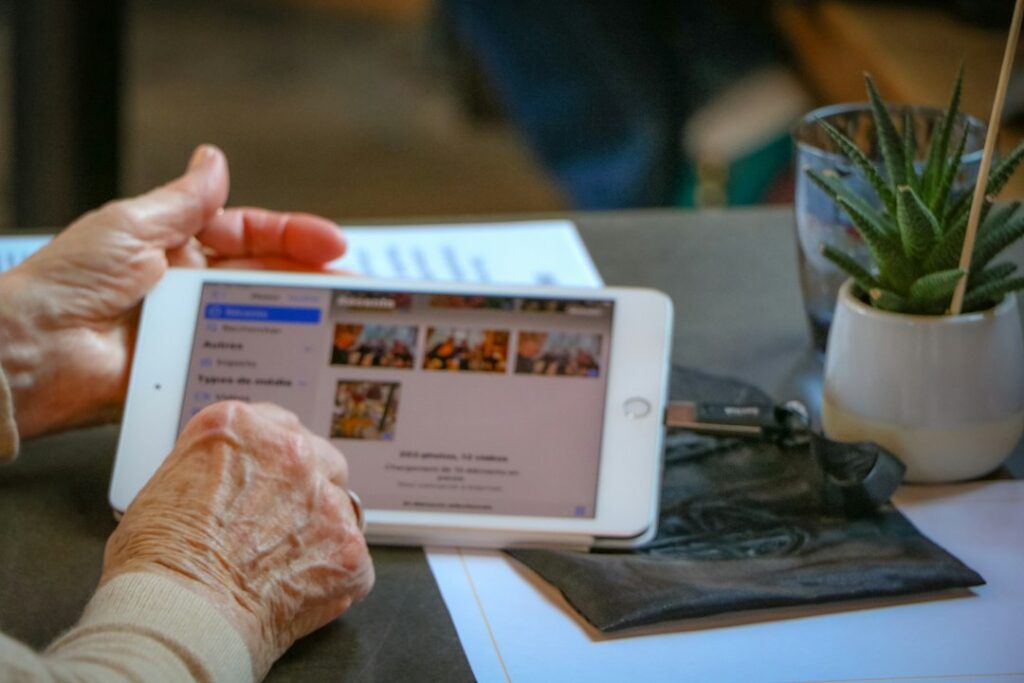
- Tablets or computers for family communication
- Voice-controlled devices for lights, temperature, music, or reminders
- Electronic health records and secure care notes
- Mobility aids with alarms or location features
- Backup communication systems for power outages or emergencies
The technology available varies by residence, service plan, and resident need. A basic call button may be more useful than a complicated device if a person has limited vision, hearing, memory, dexterity, or comfort with electronics.
How can technology improve resident safety?
Technology can help staff recognize a problem sooner, but it does not eliminate risk. Emergency call systems allow a resident to request help after a fall, sudden illness, difficulty transferring, or another urgent event.
Some systems detect movement patterns or signal when a resident leaves a room at an unusual time. Door alerts may be helpful for a person who is at risk of wandering. Bed or chair sensors can notify staff when assistance may be needed before a resident attempts to stand.
These tools are most effective when combined with regular observation and a clear response plan. Families should ask:
- Who receives an alert?
- How quickly is the alert answered?
- What happens if the device is not worn or cannot be reached?
- Is there a backup if the internet or power fails?
- How are false alarms handled?
- Can the system be adjusted as a resident’s needs change?
An alarm is not a substitute for supervision. A device may lose power, be removed, malfunction, or fail to detect a situation accurately.
Can technology help with medication routines?
Yes. Assisted living technology may support medication schedules through electronic records, reminders, locked storage, barcode checks, and documentation of doses. These systems can reduce missed documentation and help staff follow an established medication plan.
Technology does not decide whether a resident should self-administer medication. That decision depends on the resident’s abilities, medical evaluation, assessment, and care plan. Some residents may manage certain medications independently while needing assistance with others.
Families should also remember that medication tools cannot identify every concern. A resident may still experience side effects, difficulty swallowing, confusion about instructions, or a change in health that requires human attention. A medication record should support communication among the resident, family, staff, and medical professionals rather than replace those conversations.
How does telehealth work in assisted living?
Telehealth allows some medical appointments to take place by video or telephone. It can be useful when travel is difficult, weather creates transportation concerns, or a follow-up does not require an in-person examination.
A staff member may help the resident prepare the device, check the connection, gather medication information, and communicate the resident’s concerns. Good preparation can include:
- Testing the camera, microphone, and internet connection
- Making sure the resident can hear and see clearly
- Having a current medication list available
- Writing down symptoms and questions beforehand
- Confirming whether a family member should participate
- Knowing whether an in-person visit is still needed

Telehealth is not appropriate for every medical issue. Chest pain, severe breathing problems, major injuries, sudden confusion, or other urgent symptoms require immediate attention through the appropriate emergency process.
Can technology help residents stay connected?
Digital communication can reduce isolation, especially for residents whose relatives live far away or cannot visit frequently. Video calls, shared photo albums, electronic greeting cards, and online group activities may help residents maintain familiar relationships and routines.
The benefits depend on accessibility. Large text, clear audio, simple controls, captioning, and a stable internet connection can make a significant difference. Some residents may prefer a standard telephone call, printed photographs, or in-person conversation.
Technology should also respect a resident’s right to decline participation. A family member may enjoy video calls while another person finds them tiring or confusing. Personal preference matters as much as technical capability.
What privacy concerns should families understand?
Technology creates privacy questions that should be discussed before a device is used. Cameras, microphones, location tools, electronic records, and monitoring systems may collect sensitive information about a resident’s health, habits, and activities.
Before agreeing to a system, families can ask:
- What information is collected?
- Who can view it?
- How long is it stored?
- Is audio or video recorded, or is the system only sending alerts?
- Can the resident turn it off?
- How is consent documented?
- What happens if a resident changes their mind?
Privacy is especially important in bedrooms, bathrooms, and other personal spaces. Monitoring should be limited to a clearly understood safety purpose and used in a manner consistent with resident rights and applicable rules.
How does technology perform during winter storms or power outages?
Seasonal weather in Lewistown can make dependable communication and backup planning especially important. Ice, snow, heavy rain, and power interruptions may affect elevators, internet service, heating systems, medical equipment, and transportation.
A residence should have emergency procedures that do not depend on one device or one network. Useful safeguards may include backup power, alternate communication methods, paper records, emergency lighting, and access to essential medications and supplies.
Residents who use oxygen equipment, powered mobility devices, refrigerated medication, or other electrical equipment should understand the backup plan. Families should also know how they will receive updates if normal phone or internet service is interrupted.
What should families ask before relying on assisted living technology?
The most useful question is not whether a residence has advanced technology, but whether the system works for the individual resident.
Ask how the device will fit the resident’s routine, abilities, health needs, and preferences. Confirm who responds to alerts and whether staff receive training. Find out how equipment is maintained, what happens after a false alarm, and how the care plan changes when a resident’s condition changes.
It is also reasonable to ask for a demonstration. A resident should be able to understand, as much as possible, what a device does and what it does not do. Clear explanations help prevent unrealistic expectations.
Technology is most valuable when it quietly supports daily life: helping a resident call for assistance, remember a routine, connect with family, or receive care without unnecessary travel. The strongest systems remain dependable, respectful, and connected to attentive human support.
